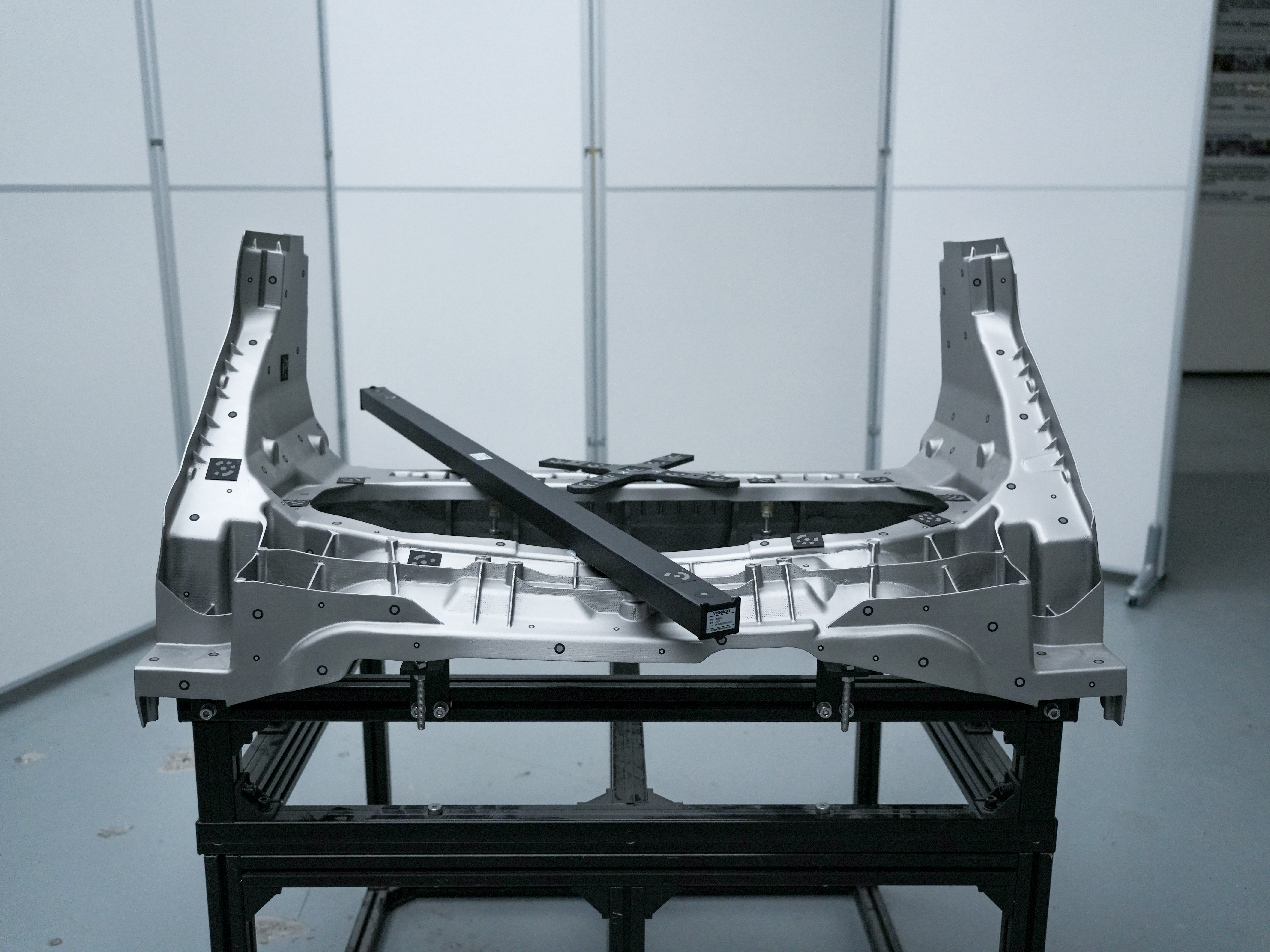
Quality Control for Integrated Die-Casting Parts
As global carbon emission regulations tighten, vehicle lightweighting has become an essential strategy for New Energy Vehicles (NEVs) to extend range, reduce battery costs, and improve energy efficiency. This trend has catalyzed the emergence of advanced technologies such as high-performance "Three-Electric" systems, laser tailoring, hot stamping, and Integrated Die-Casting. As a revolutionary leap over traditional manufacturing, integrated die-casting offers high integration, simplified processes, enhanced efficiency, and shorter vehicle lead times, gaining widespread adoption among leading automakers.
Integrated Die-Casting Technology
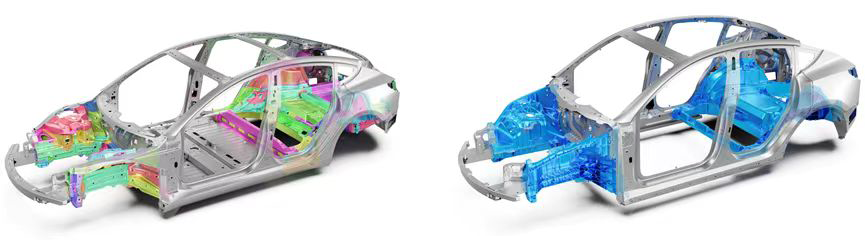
Integrated die-casting utilizes ultra-large tonnage casting machines to integrate multiple discrete components into a few large-scale aluminum castings in a single shot. This replaces the traditional "stamping followed by welding/riveting" assembly method. Compared to the four traditional pillars of automotive manufacturing (stamping, welding, painting, and final assembly), this technology eliminates numerous stamping and welding stages.
- Weight Reduction: Decreases the total weight of the underbody, significantly boosting range, fuel efficiency, and overall vehicle performance.
- Process Simplification: Reduces component count and assembly time, lowering manufacturing complexity and costs while increasing production throughput.
- Precision Control: Minimizes the cumulative tolerances caused by joining numerous parts, enabling the production of complex, high-precision geometries with more controllable manufacturing accuracy.
- Labor Efficiency: Drastically reduces the number of weld points and the need for specialized welding technicians, effectively lowering labor costs.
Quality Control Challenges
Currently, integrated die-casting is primarily applied to the underbody (including rear floors, front floors, and front engine compartments), battery packs, and subframes. While it enhances structural stability, the increasing size and complexity of these castings present new challenges for quality assessment:

- Deformation and Defects: Large castings with expansive projected areas and varying thin-walled structures are prone to thermal deformation and surface defects during cooling, impacting dimensional accuracy.
- Strict Matching Requirements: Given their significant share of the vehicle body, these parts demand rigorous mechanical properties, dimensional precision, and surface integrity to ensure seamless matching with other vehicle systems.
- Limitations of Traditional Methods: Compared to standard castings, integrated parts are characterized by their massive scale, thin walls, and intricate structures, rendering traditional measurement tools inadequate
VISION3D in Integrated Die-Casting
Traditional methods, including calipers and feeler gauges, are susceptible to human error. While CMMs (Coordinate Measuring Machines) provide high accuracy, they offer limited data density, involve complex operations, and suffer from low efficiency.
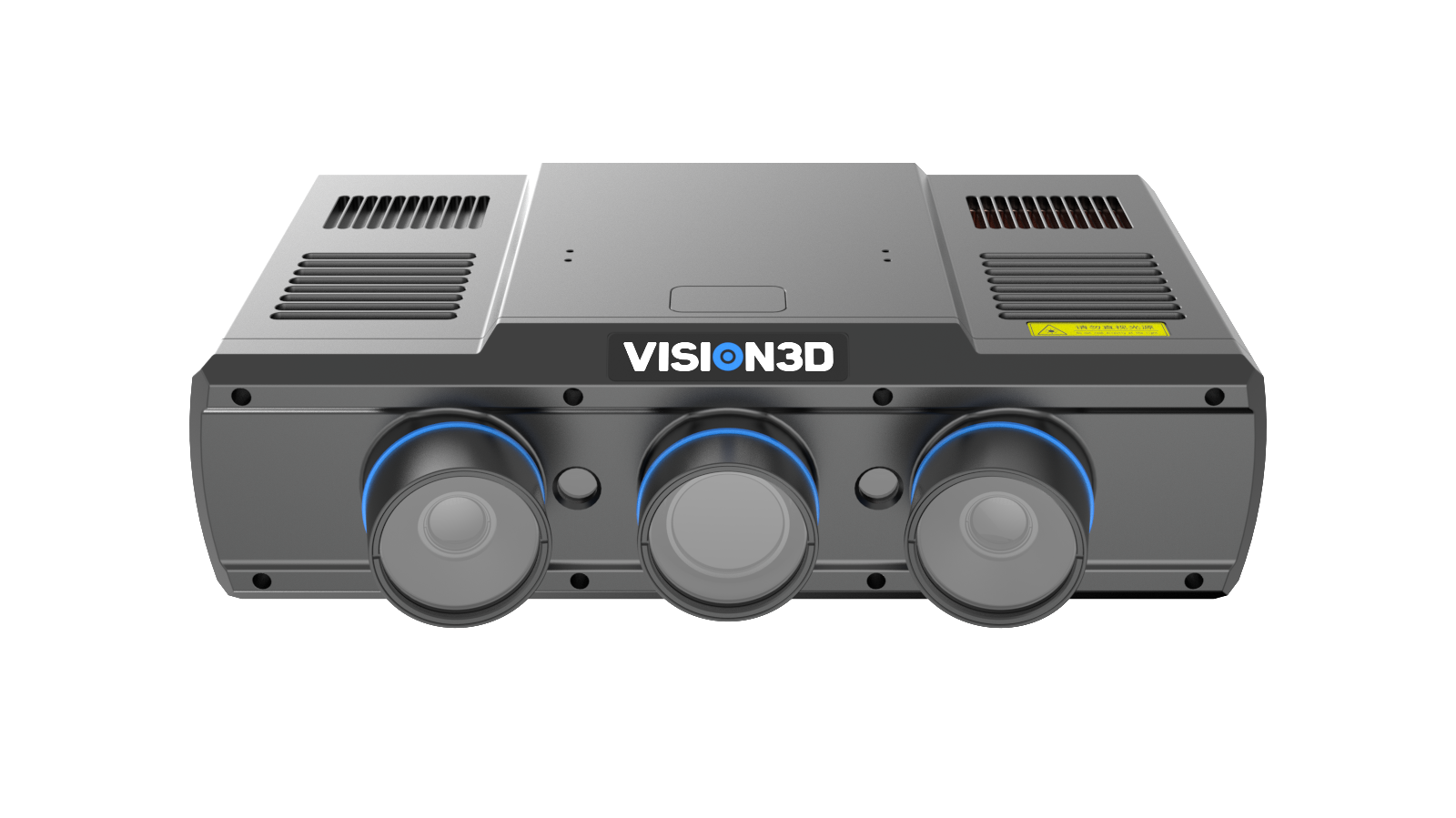
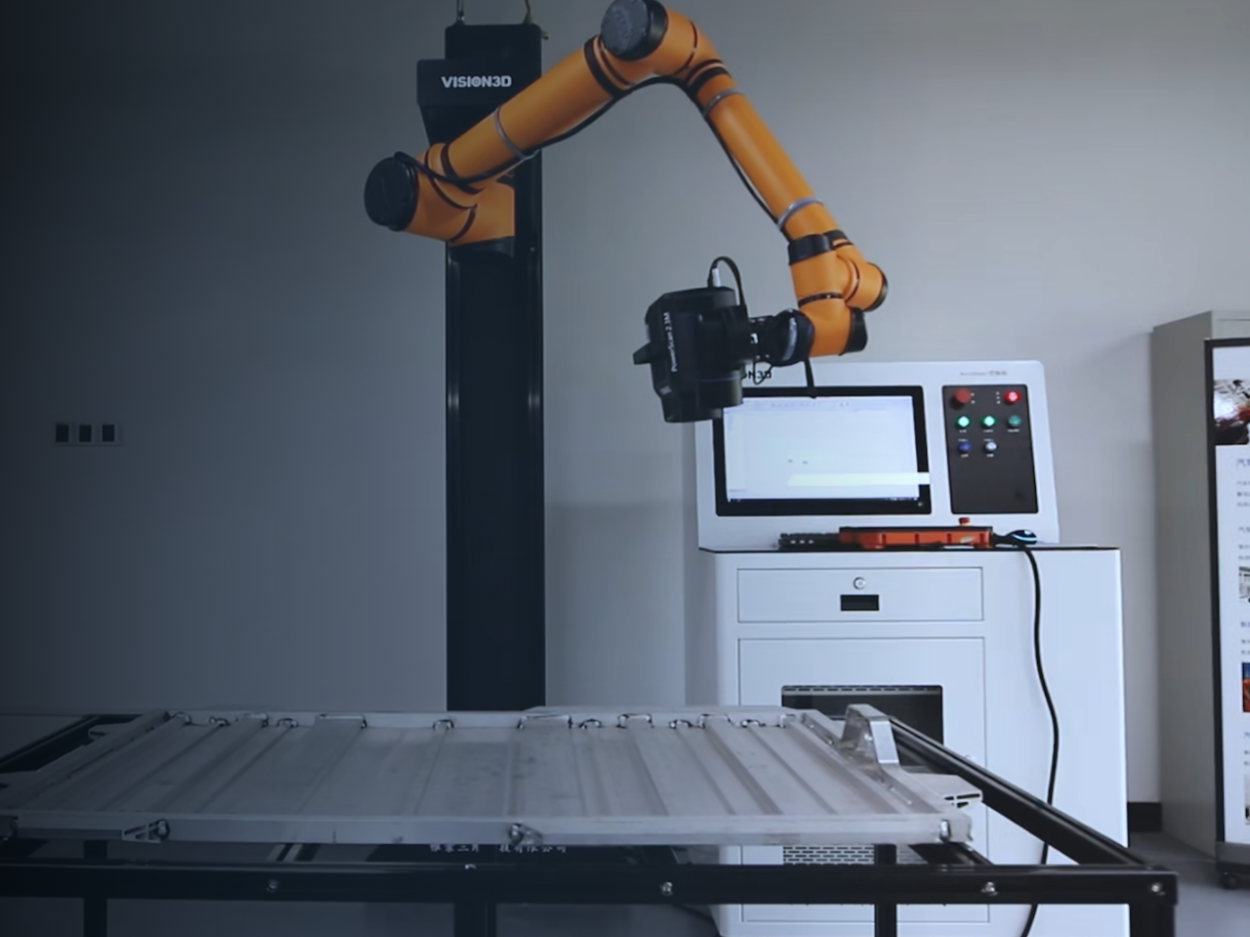
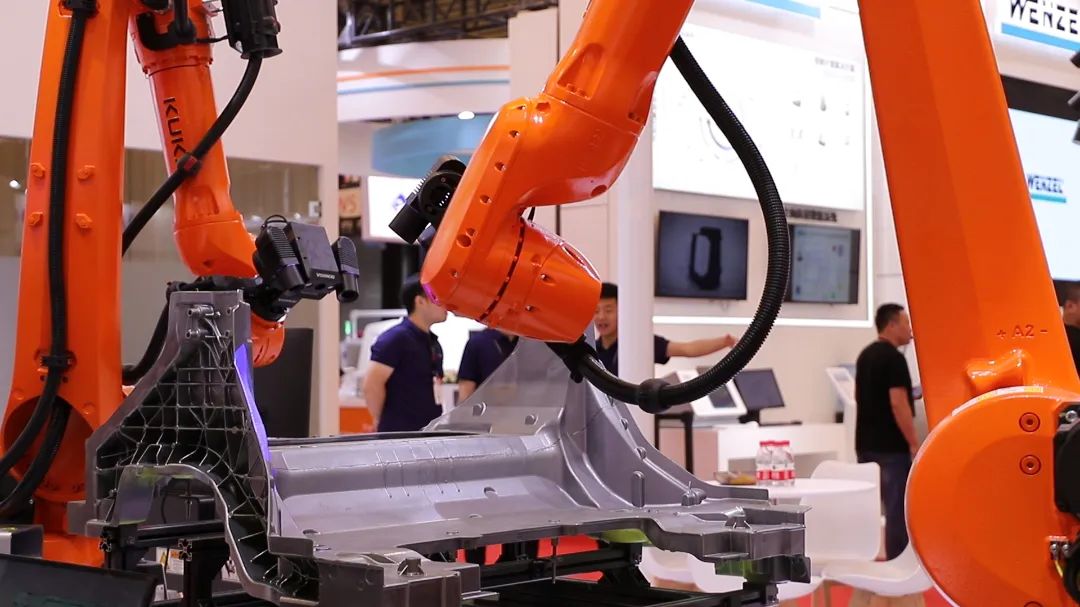
VISION3D provides a comprehensive Automated Optical Full-Dimensional Solution. It meets the advanced requirements of the integrated die-casting trend—high cycle rates, precision, full-surface data, and traceability—enabling more accurate control over quality trends."
VISION3D’s automated systems cover a wide range of part sizes (500mm to 2500mm). With a single-frame acquisition speed of 0.6s and a system accuracy better than ±0.15mm, the system can inspect critical dimensions of an integrated rear floor in as fast as 60 seconds, delivering a full-surface scan and an automated customized report.
Key Advantages
- Full Automation: Zero manual intervention; software automatically calculates measurement paths and scanning parameters.
- Dual-Station Design: Supports simultaneous scanning to maximize efficiency, meeting the high-cycle demands of both at-line and in-line inspection.
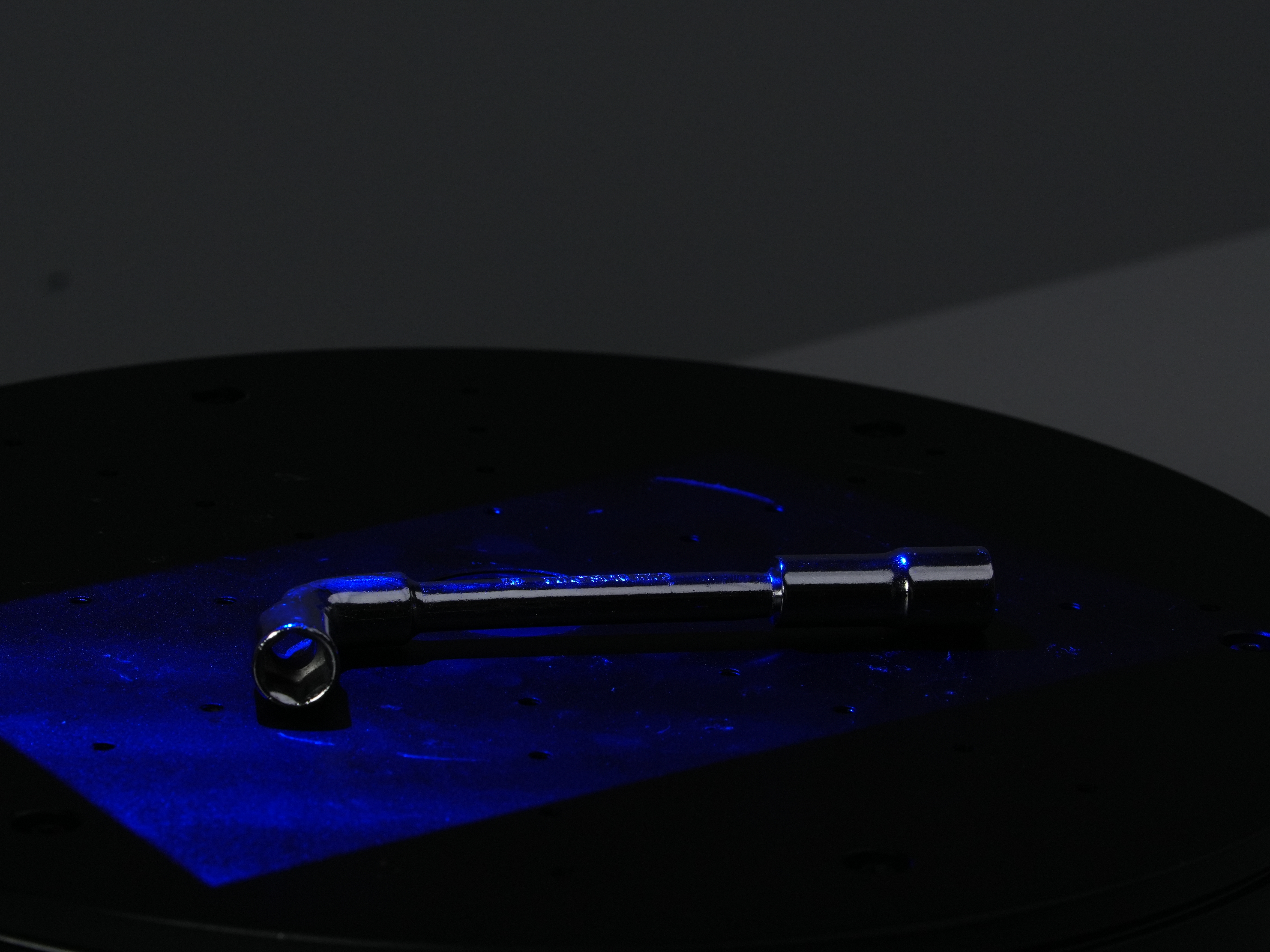
- Superior Data Acquisition: Rapidly captures complete point cloud data of the entire profile, including challenging features like threaded holes, studs, irregular apertures, thin walls, and narrow edges.
- Comprehensive Metrology: Covers profile deviations, geometric dimensions (diameter, distance, angle, etc.), and GD&T (position, profile, coaxiality, cylindricity, etc.).
- Powerful Software Analytics: Real-time monitoring of data quality and environment; enables full-domain 3D data analysis and batch management for deformation trend analysis.